

When attempting to reach a particular targeted audience to promote and sell your business’ goods or services, there are certain behaviors that typically exist when it come to consumer behavior. The behaviors are typically acknowledged and almost counted upon for consumers to exhibit when attempting to attract their attention. It is proven that consumers have a high dependence on their trusted circle of contacts when deciding on whether or not to purchase for an organization that they are initially unfamiliar. So let’s take a few minutes to review 4 of the most common consumer behaviors when it comes to advertising and customer engagement.
Curiosity – Curiosity is a big motivator when it comes to purchasing. Think about the times you saw or heard a commercial and it immediately piqued your interest. Curiosity creates a strong mental urge to want to see what the product or service is all about. We will typically reach out to those we trust to see if they have encountered the product or service themselves, but advertisers will create engaging materials that create high levels of curiosity in us to want to see it for ourselves so we can determine if it is something we want or need. Curiosity’s strength is based on whether it is a need or want for the consumer. Spending budgets and other relevant factors can also affect the level of curiosity a consumer experiences when something that grabs their attention through advertising or even from word of mouth conversations.
Sense of Urgency/Scarcity – There are many goods and services that are first categorized as a need, want or must have. Depending on the environment and circumstances that the consumer is currently experiencing, a product or service must be prioritized as one of the aforementioned. As an example, a snow storm is headed the consumers way and a snow shovel at the local hardware store will be needed in order to keep their driveway clear. We know that the snow will be heavy and will remain long after it has fallen. We know that other consumers are thinking the same thoughts pertaining to making sure they have a snow shovel for their driveways as well, so everyone goes to the hardware store in search of snow shovels. We also know that the hardware store is know for only keeping small quantities of most of its products in stock so there is a chance that they will sell out quickly. The sense of urgency/scarcity will drive the consumer to prioritize purchasing this product to ensure it doesn’t disrupt their life when the snow storm occurs.
Avoiding Pain/Feeling Pleasure – It is safe to say that we will do a lot of things in order to avoid pain. The same can be said about feeling pleasure. As humans, we aspire to minimize the pain and maximize the pleasures in our lives. The products and services that we purchase everyday will typically address either of the two feelings. We go to the dentist to avoid feeling the pain of dental issues that can arise while we will make sure we purchase concert tickets of our favorite artists when they are in town because we know it will be a pleasurable and memorable experience. Advertisers/businesses such as dental practices will promote campaigns to remind you to avoid the pain where concert promoters will advertise to entice the nostalgic pleasure of seeing and hearing your favorite artists. Each group will focus their messaging based on pain or pleasure and what their organization can help do to facilitate either. Subconsciously, we are always looking to minimize pain and maximize pleasure in our lives so we are constantly hearing messages that address both.
Social Proof – Social Proof is what many folks will confirm before making a purchase. What are my family and friends doing? Are they buying the same products or services and what was their experience? Knowing that someone else has had a great customer experience motivates us to want the same so we often check with others. Generation X consumers are very big on not taking the businesses word that their product or service is great and will overwhelmingly rely on others for input before making a purchasing decision. Social proof is the confirmation from others that it is okay to do business with those that we are initially unfamiliar. Consumers are much more confident in what those they know and trust say compared to the businesses own self-proclaimed reviews or unknown online reviews that could have been written by bots or AI influenced reviews. Familiarity is a very powerful influencing on consumer purchasing behavior. If everyone is purchasing something, it is assumed that honest reviews have been completed by those they trust and that creates a sense of security that it is okay to purchase from an organization because others have experienced it first and can attest to the quality of the product or service.
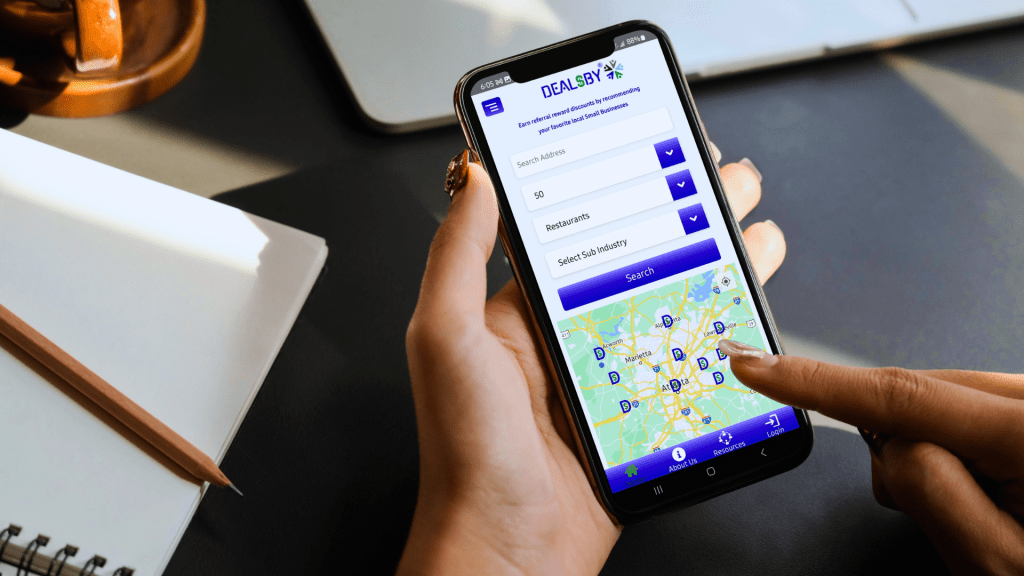
In determining, after experiencing one of the 4 mentioned mental triggers, what goods and services a consumer should consider buying consumers will still feel more comfortable asking those they feel are already in the know. Referrals can help alleviate anxiety and stress from having to search for, question and negotiate with businesses that we are unfamiliar. The mission of the referral marketing company Dealsby is to connect small businesses to the communities that they serve through app-based referral marketing and customer engagement. Providing consumers a tool that allows them to quickly and efficiently engagement with highly referred businesses in their community along with the ability to save and allow those they trust to save as well, is the purpose and mission of Dealsby. For example, if I had previously experience a bakery that I know would provide a great purchase experience, I would be very compelled to share that with others and also help those I refer save money on their first purchase with that referred bakery. Since we live in a WIIFM society (What’s In It For Me), I would also be more motivated to refer if I knew I would receive a referral reward discount as well. Dealsby facilitates that referral process between consumers and the business in their community. Go to Dealsby.io to learn more.


 Dealsby Blog