

In the dynamic landscape of business, customer acquisition is the heartbeat that keeps companies thriving. Whether you’re a startup or an established enterprise, mastering the art of attracting and converting new customers is essential. In this summary guide, we’ll delve into the basics of customer acquisition, explore strategies to lower costs, and reveal how to leverage your existing customer base for sustainable growth.
1. What Is Customer Acquisition?
At its core, customer acquisition is the process of enticing potential customers to buy your products or services. Imagine it as a journey with three critical steps:
- Attraction: Attract leads by creating brand awareness and generating interest.
- Nurturing: Cultivate these leads until they become sales-ready.
- Conversion: Convert them into paying customers.
The overall cost of these steps is known as your Customer Acquisition Cost (CAC). It’s the investment required to bring a new customer into your fold. Calculating CAC helps you understand the financial impact of your acquisition efforts.
2. Why Is Customer Acquisition Important?
Customer acquisition isn’t just about making sales; it serves several vital purposes:
- Revenue Generation: Acquiring customers directly impacts your bottom line. It’s the lifeblood that keeps your business financially healthy.
- Evidence of Traction: Investors, partners, and influencers look for signs of growth. A robust customer acquisition strategy demonstrates your business’s viability.
- Sustainable Growth: Relying solely on organic traffic won’t guarantee consistent profits. Purposeful acquisition efforts ensure steady expansion.
3. Building Your Customer Acquisition Strategy
Creating a successful acquisition strategy involves:
- Acquisition Marketing: Understand your target audience and tailor your marketing efforts accordingly.
- Acquisition Channels: Explore various channels—social media, content marketing, paid ads—to reach potential customers.
- Measurement: Track metrics like CAC, Customer Lifetime Value (CLV), and Customer Satisfaction Score (CSAT).
- Retention: Remember, retaining existing customers is as crucial as acquiring new ones.
4. Examples of Effective Customer Acquisition Strategies
Let’s peek at three real-world examples:
- Referral Programs: Dropbox’s referral program rewarded users who invited friends. This led to exponential growth.
- Content Marketing: HubSpot’s educational content attracts leads, nurtures them, and converts them into loyal customers.
- Freemium Models: Evernote’s freemium approach entices users with a free version, then upsells premium features.
Remember, customer acquisition isn’t a one-size-fits-all game. Adapt your strategy, stay agile, and keep your finger on the pulse of ever-changing trends. Happy acquiring! 🚀
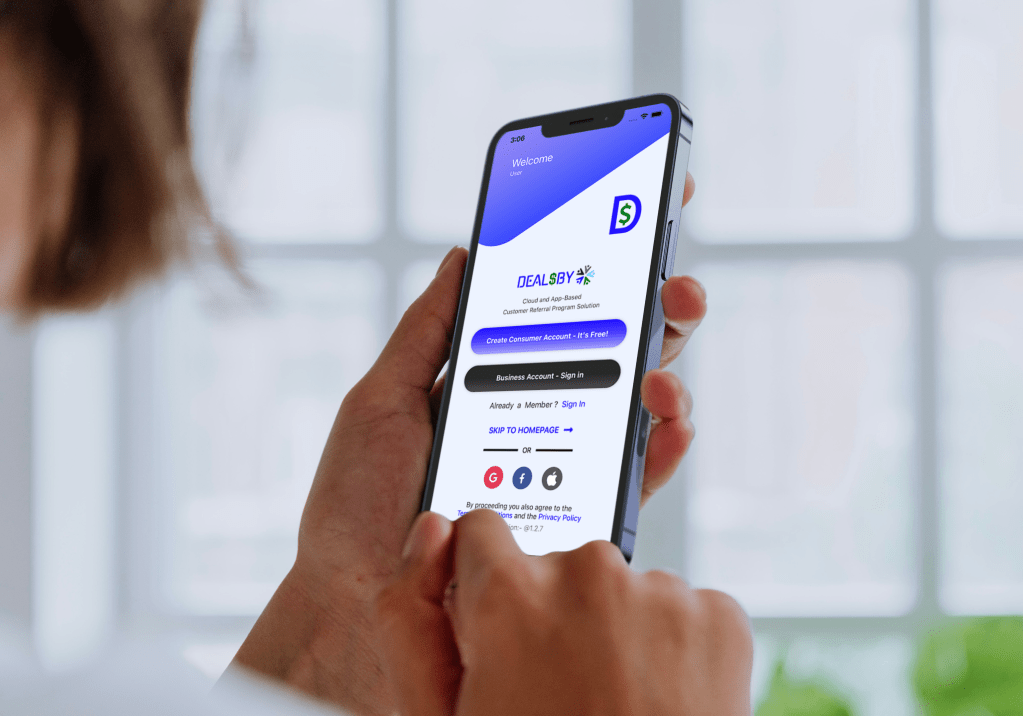
For more customer acquisition information, please visit our websites at https://virely.co and https://dealsby.io
Sources:

 Dealsby Blog